


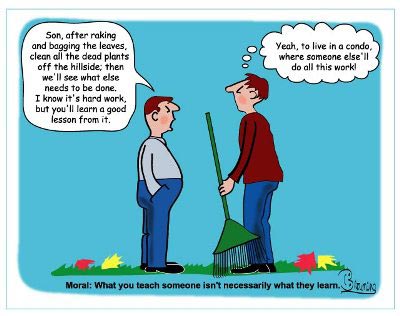
A lesson learned
Do you capture your lessons learned? If you do, how effectively do you capture them?
There are many reasons why lessons learned are not captured, or, if they are captured, not used, including:
- Lack of time
- Lack of management support
- Lack of resources
- Lack of clear guidelines around collecting lessons learned
- Lack of processes to capture lessons learned
- Lack of knowledge base to store and search lessons learned for future use
We all have good intentions to do so, but often don’t get around to effectively capturing lessons learned from projects. Often, if we do try to capture lessons learned, we do so at the very end of the project – getting the team together to try to remember what worked and what didn’t. With short projects – maybe just a few weeks in duration – this might work well some of the time. The team hasn’t forgotten anything. Just catch them before they are off to the next project!
For longer projects though, it is difficult to wait until the end to attempt to capture the lessons learned. Too often team members are ready to move on, or they have forgotten much of what should likely be captured. Better to track lessons learned throughout the project, as much as possible. For example, track the following as it occurs on the project, including the team’s response to the situation, the resolution/outcome, and comments:
- Risks or issues
- Quality defects
- Vendor issues
- Change requests
By tracking these situations throughout the project, everything is fresh in your head as it has just occurred. You can then compile the information at the end and develop a more comprehensive lessons learned.
Other areas worth capturing on projects, detailing what worked well and where improvement is needed include:
|
|
Detail also areas where the team performed exceptionally on the project and areas where improvement is needed. Delineate options for improvement – be specific.
Sample Template
Here is a simple template you may find of use in capturing lessons learned. Customize the template to include components important to your project.
| Project Name: | Date: | |||||
| Project Manager: | Team Members: | |||||
|
Area (Process) Reviewed |
Situation/ Issue that Occurred |
Actions taken/ alternatives considered |
What Worked Well |
What Can Be Improved |
Comments |
Shared Learning |
| Customize for project components/ processes/tasks relevant to your company | Was there a specific issue – how did it impact the project | What did you do to fix the situation/ issue that occurred; what alternatives were considered | Delineate what worked well on the project – be specific | Delineate areas/ alternatives for improvement. Be specific; offer suggestions around improvement | Additional information that may be helpful to others on future projects | Add here advice for future teams based on what your project team learned |
| Requirements management | ||||||
| Scope management | ||||||
| Schedule development/ management | ||||||
| Cost estimating/ budget control | ||||||
| Quality planning/ management | ||||||
| Resource allocation | ||||||
| Teamwork/ team performance | ||||||
| Problem solving/ issue resolution | ||||||
| Communication management | ||||||
| Stakeholder identification/ management | ||||||
| Status reporting | ||||||
| Risk identification/ management | ||||||
| Procurement planning/ management and vendor management | ||||||
| Process improvement initiatives | ||||||
| Change management processes | ||||||
Lessons Learned Captured? Your Job’s Not Done!
Once you have captured lessons learned – make sure they are easily referenced by other project teams. Keep them in a location where they can be easily found and searched – maybe a project portal or intranet site. Start every project by accessing past project lessons learned. Track improved effectiveness and efficiencies on projects based on applying the lessons learned from past projects. In this way, the lessons learned from past projects help to increase the success of future projects. Make a component of every project a requirement to review the lessons learned from past projects.
Summary
Capturing lessons learned is of vital importance. Unfortunately, it is often forgotten at the end of the project – people just want to move on to the next assignment. By assigning an individual on the project (ideally an individual trained in capturing lessons learned) to lead the capture of lessons learned from the beginning of the project, and tracking throughout all the stages of the project, you won’t feel so pressured at the end to fit it in.
The more mature the project management function within the organization, the more likely that lessons learned are captured, internalized and applied to all future projects. Effective transfer of knowledge from lessons learned is not solely to other project teams, but also to the organization as a whole. These organizations which are more mature will capture lessons learned not just from the project team, but also from customers, contractors, and other internal staff. These organizations likely also have a formal process to capture lessons learned to ensure there are consistencies among all project teams.
How frequently do you capture lessons learned? Do you have a formal process for doing so? Please share with others in the Comments field below. Thanks!
Resource: Post-Project Reviews to Gain Effective Lessons Learned (Terry Williams)
Blog Image courtesy of Bill Browning, November 2005


Hi Carlos,
If you are conducting a lessons learned with the client, then it is part of the overall project cost. If, however, you are talking about an internal (for you and your peers) lessons learned – e.g., how to better work with clients for example – that is not chargeable to the client. I have also had clients who – after a project – asked me to come in and conduct a lessons learned meeting. This has been a chargeable event. Hope this answers your question! Thank you for reading!
question – new to a consulting firm – is it appropriate to conduct a lessons learned and bill the client for the time?
Why do this??
“Those who cannot remember the past are condemned to repeat it” – George Santayana
“It ain’t what you don’t know that gets you into trouble. It’s what you know for sure that just ain’t so” – Mark Twain
Thanks for your comment Cheryl. You’ll find once you go through the entire process once – capturing, reviewing, and applying to your next project – it is just a short time before you see positive results in how your initiatives are managed. It it ends up becoming “second nature.”
Thanks for reading!
Best,
Gina
Thank you for this article! Your insights are always on target. I do capture lessons learned, but not as thoroughly as you suggest. You’ve inspired me to dig deeper.
Good, i am evaluating a project here in malawi and this was very helpful, thank you
Thank you.
i look forward to it.
Best Regards,
Dian
Thank you for your comment Dian. I don’t completely distinguish the two – frankly you learn from your evaluation questions. I work with teams to evaluate every aspect of the project – from interactions between team members to meeting the project objectives to solving problems that arise and so forth – how well (or not so well) we did is our lessons learned. What worked in solving that problem – what steps did we take, who was involved, etc. This enables us to more quickly resolve issues in the future. Make sure lessons learned captured and shared aren’t useless – for example – “constant communication is helpful” is too vague. However, we may change that to state: “In order to ensure that all stakeholders stay engaged, we found that communicating bi-weekly via email including information on current status and upcoming changes to the system in the next week worked effectively.”
Hope this helps you. Thank you for reading! We’ll be posting an article on an ROI study of a lessons learned initiative over the next couple of weeks. If you subsccribe to the site, you’ll get notice when it is posted. It is a 3 part case study.
Best regards,
Gina
I am so impressed the way you summarize essential things about how capturing lesson learned of the project. It is very helpful for me. But I would like to know how we differentiate between evaluation question and lesson learned question ? and would you care to give me examples of lesson learned statements. Thank you so much
Hi Peeyush,
At the start of each project, be sure to take the time with the project team to review lessons learned from future projects. By applying what you have learned from past projects – for example, more time needed to prepare for certain types of projects given risks involved, certain key skills needed on certain types of projects, a problem resolution process created by a project team to handle a particular project – you are able to more effectively and efficiently manage each project you are assigned; over time reducing timelines, budget and resource needs because you increae your efficiencies. If a project team on a past project spent significant time resolving a technical problem; you would certainly want to have them capture what the problem was and how they resolved it so you could use that information on the next project. Otherwise you end up “reinventing the wheel.” Hope this is of value to you!
Best regards,
Gina
How can lessons learned be used to improve future projects (Can you name a few ways)? If possible pls give example
[…] This post was Twitted by UnlikeBefore […]
Hi Ron,
Thanks for your comment. I have been working with a few clients on how to effectively capture and use lessons learned (sometimes I get some who tell me they capture them but that’s all they do – nobody looks at it!). It does have to be a “habit.” You are correct that we need to learn from our past mistakes so we don’t keep remaking them (as I tell clients – that’s what we call experience!) and we can increase the success of our projects by looking at what we did in the past.
Thanks again! I appreciate you taking the time to read the post.
Best regards,
Gina
Intersting article many thanks Gina. Intersting article at Do project managers talk about project failure? which links with this important toipc. See my comments about lessons learned.
Ron Rosenhead
Project Agency